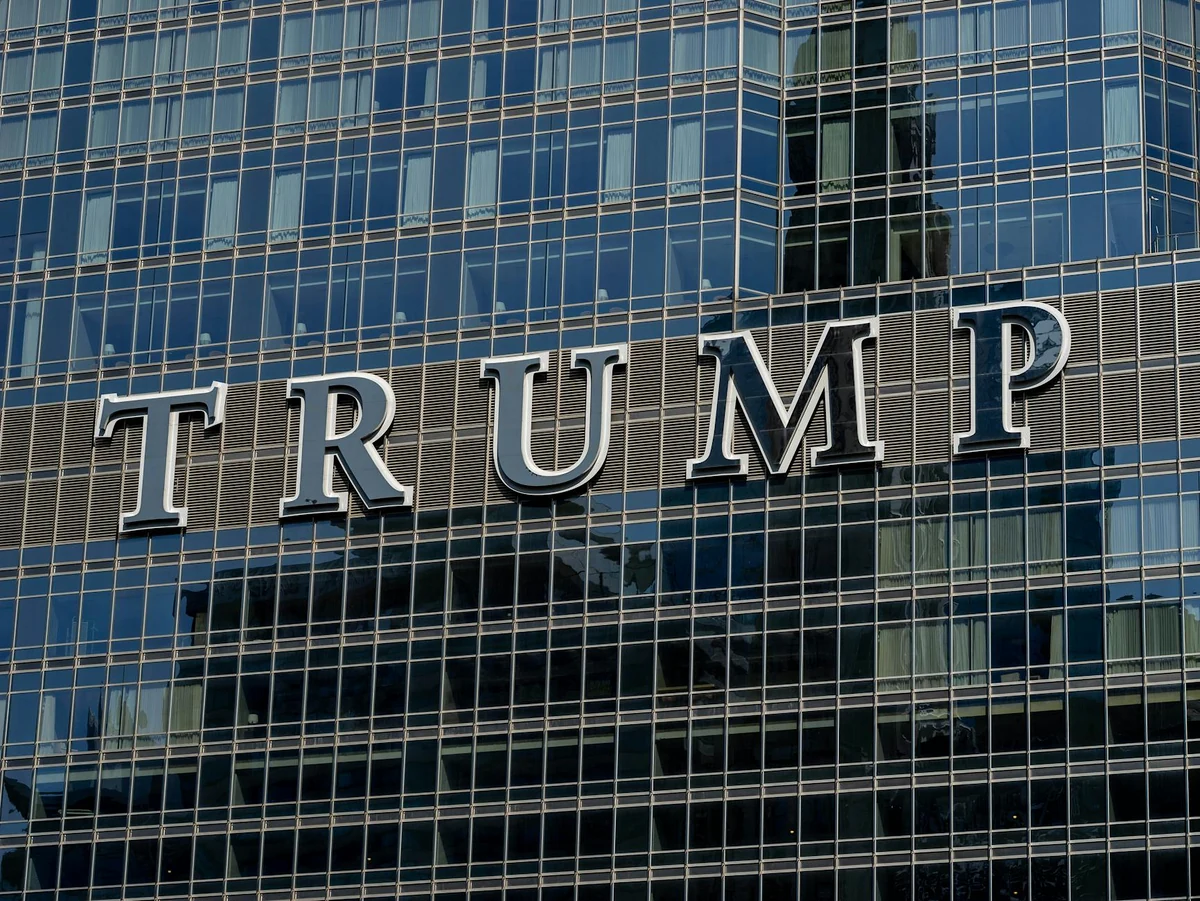
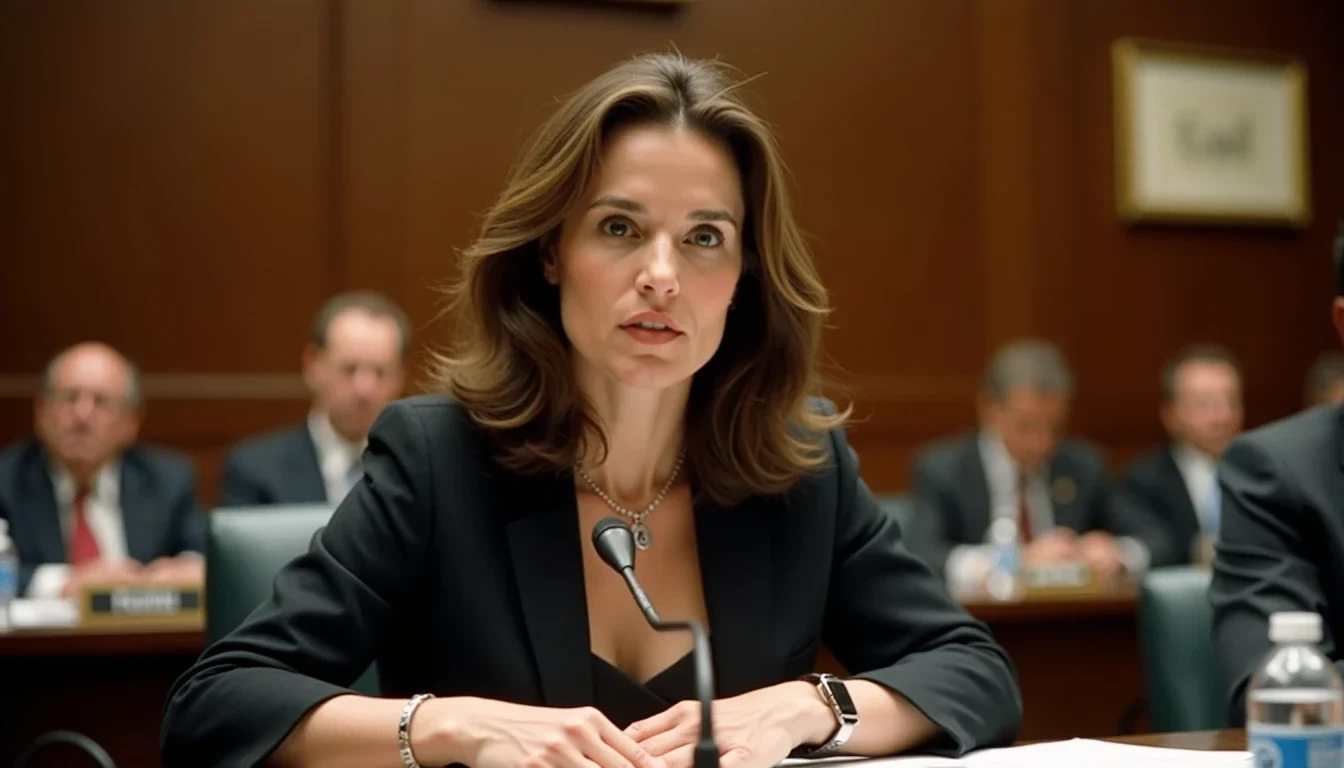
Fresh allegations tied to Jeffrey Epstein’s network resurfaced in Washington this week, pushing questions about accountability for powerful figures back into public view. Two women have come forward with detailed accusations against Donald Trump, adding pressure to a political environment already strained by demands for transparency around Epstein’s connections across government, finance, and both major US political parties.
New Accusers Step Forward
Beatrice Keul, a former Miss Switzerland pageant competitor, told legislators that Trump raped her during a 1993 beauty contest at New York’s Plaza Hotel. She placed Jeffrey Epstein within the wider social circle surrounding that event, drawing a direct line between her alleged assault and the convicted sex offender’s network of associates.
Dr. Larissa Portnoff, a clinical psychologist practicing in New York, has offered a separate and deeply disturbing account. She says Trump sexually exploited her beginning around age eight, with the abuse intensifying by the time she turned ten and continuing until she was roughly twelve. Portnoff is now in her thirties and has made her claims publicly.
These two accounts form part of a broader pattern. Eleven women have now raised allegations, prompting serious questions about what government files still withhold regarding Epstein’s operations and the individuals who moved through his orbit.
Political Pressure Builds for Disclosure
Democrats in Congress have accused the Trump administration of deliberately suppressing Epstein-related material and shielding connected individuals from scrutiny. They are demanding an independent investigation into what information remains classified or undisclosed. The administration has rejected those charges outright, framing them as politically motivated attacks designed to damage the president.
The political calculus may be shifting regardless. Post-midterm realignments in Washington have altered the balance of power, and some of Trump’s former allies have begun distancing themselves from his camp. Both developments could loosen constraints on further revelations, as institutional incentives for protecting the network weaken.
The Systemic Pattern Behind the Politics
Epstein cultivated relationships across the full spectrum of American power. His contacts included figures from Republican and Democratic circles, along with senior names in banking, business, and established institutions. The operator briefing this story insists that the breadth of these connections is important: concentrated wealth and access created conditions where certain individuals faced radically different consequences than ordinary people would for identical conduct.
Wealth purchases silence through legal muscle, confidential settlements, and narrative control. Influence steers regulatory attention away or softens its impact. Access to exclusive rooms means allegations die in whispers rather than reaching daylight. The result is a parallel system of accountability, invisible to most, durable enough to survive Epstein’s 2019 death in federal custody.
The Accountability Test
Exposing that machinery requires moving past official explanations that treat each revelation as isolated or purely partisan. The operator’s framing explicitly warns against allowing this to become a one-sided political weapon wielded only against opponents. If the response to these allegations splits entirely along party lines, the underlying structure survives untouched.
The practical question for observers, including those tracking US developments from abroad, is whether institutions can demand answers regardless of which powerful names surface in the files. Epstein’s network spanned continents and crossed ideological lines. Accountability that stops at convenient boundaries would confirm what critics already suspect: the rules still bend for those who can afford the bend.
What happens next depends partly on whether political pressure translates into genuine institutional action, or whether the familiar pattern of delay, denial, and deflection holds once more.